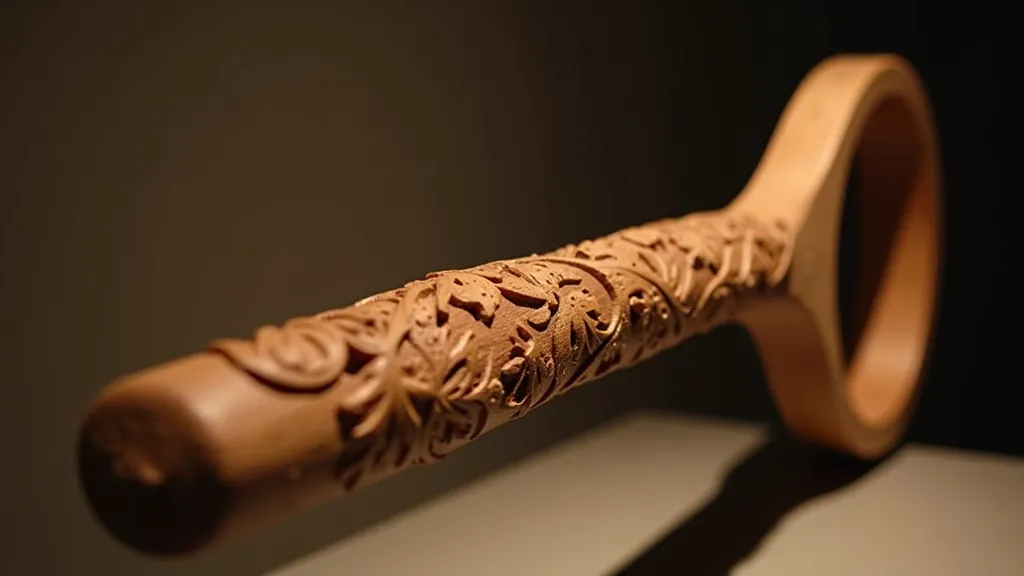
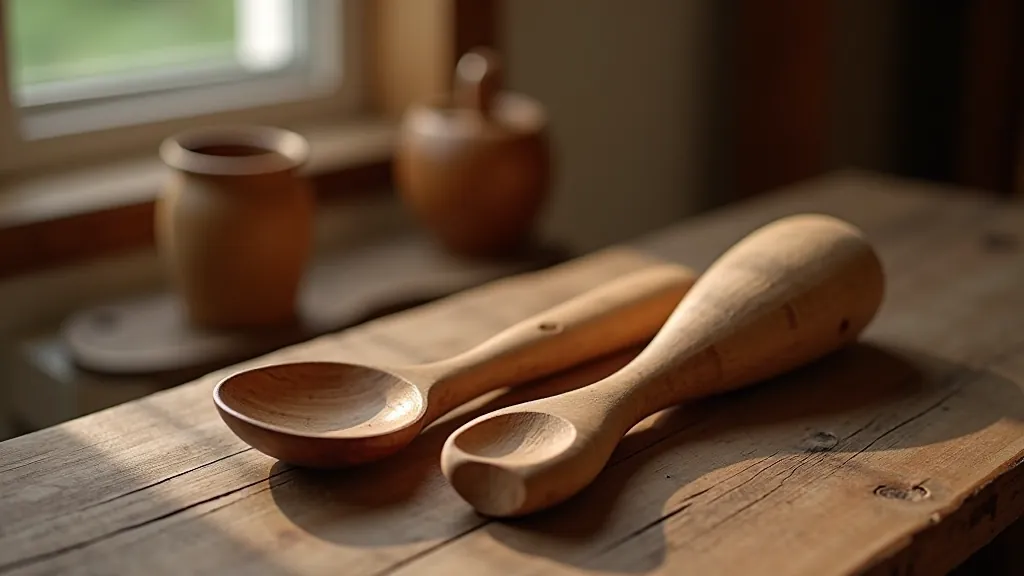
Carving Functional Kitchen Utensils — From Design to Finished Piece
Practical guide to creating spoons, forks, and serving utensils using traditional techniques and patterns.
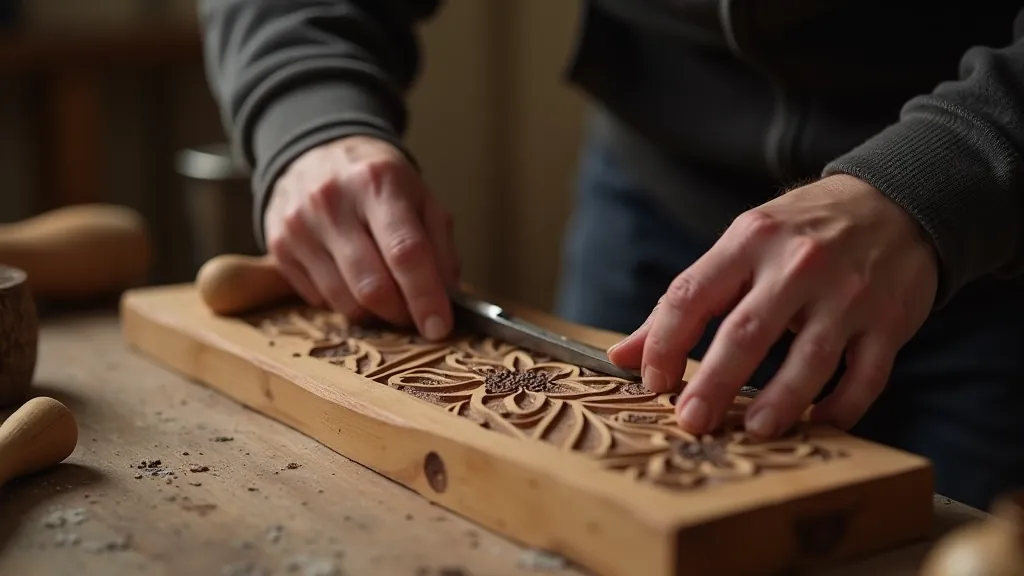
Learn the core geometric patterns and symbolic meanings behind koka grebšana, the distinctive incised carving technique that defines Latvian woodwork tradition.
Koka grebšana — the term itself means "wood scratching" or "wood scraping" in Latvian — isn't just carving. It's a precise, controlled technique where you create patterns through incised lines rather than removing large amounts of wood. The patterns aren't deep relief carvings. Instead, you're working with shallow grooves that catch light and shadow, creating visual depth through geometry and contrast.
What makes koka grebšana special is how it combines technical precision with symbolic meaning. Every pattern you see on traditional Latvian spoons, distaffs, or household items carries significance. Diamonds represent protection. Triangles symbolize the sacred fire. Parallel lines suggest connection and continuity. You're not just decorating — you're encoding meaning into wood.
Shallow incised lines create pattern through contrast, not depth. Typically 2-4mm deep, often done freehand or with simple guides. The tool control matters more than tool complexity.
You'll notice that traditional koka grebšana relies on a limited set of geometric elements. This isn't laziness — it's intentional. Master carvers combined these basic units into complex compositions, creating thousands of distinct patterns from just a few foundational shapes.
The diamond pattern (rombi) is probably the most recognizable. It's simple — four angled lines meeting at points — but when you arrange dozens of diamonds across a spoon handle, they create optical illusions and rhythm. The triangles work similarly. You'll see them pointing up (representing growth or flame) or down (representing stability). Parallel lines, whether horizontal or diagonal, add movement and connection between larger pattern units.
Most traditional pieces combine three to five basic patterns. You might see a band of diamonds framing a row of triangles, with parallel lines as separators. The spacing matters enormously. Too tight, and the pattern becomes visually chaotic. Too loose, and it loses impact. Most pieces space patterns so they're roughly 3-5mm apart, creating clear visual breathing room.
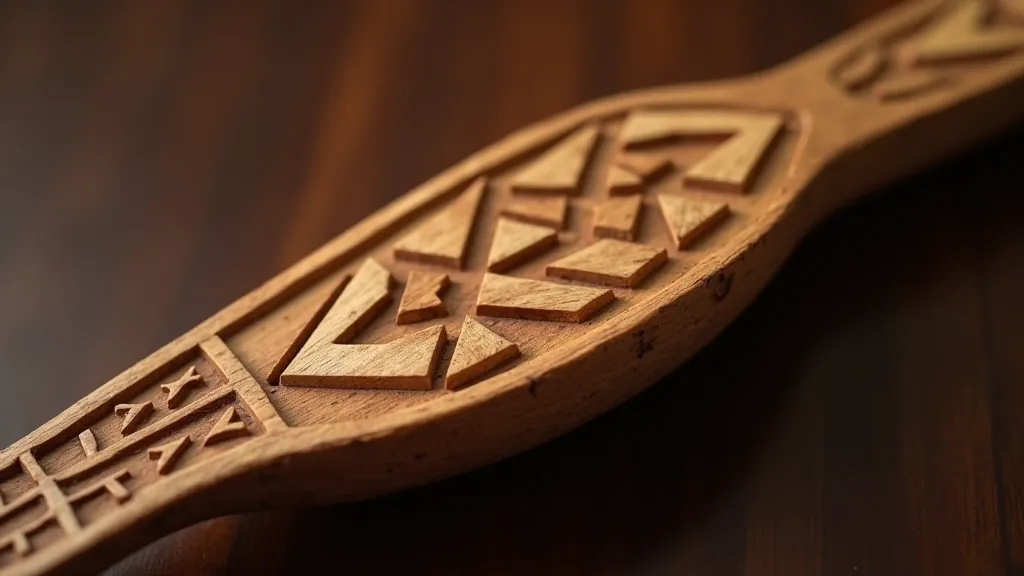

Here's what separates good koka grebšana from mediocre work — consistency and control. You're creating shallow lines, not deep gouges. The depth should be consistent across the entire pattern. If one diamond is 2mm deep and the next is 4mm, the light won't catch them the same way, and the pattern falls apart visually.
Most traditional carvers use simple V-shaped gouges or specialized knives designed specifically for this work. The blade angle matters. You're not pushing straight down — you're working at roughly 45 degrees to the wood surface, allowing the blade to cut smoothly through the grain. The wood you're carving — typically birch or oak — should be relatively fresh (within a few months of milling). Dry wood becomes brittle and splinters. Wet wood tears instead of cleanly incising.
The freehand approach is traditional, but modern carvers sometimes use light pencil guidelines or even temporary tape stencils. You're balancing speed with accuracy. A full-sized spoon pattern might take 6-10 hours of careful work, depending on complexity. That's not rushing. That's the realistic timeframe for quality koka grebšana work.
Latvian folk tradition isn't random. Every element carries weight. Diamonds — the most common pattern — represent protection. You'll see them on pieces given as gifts or used in important household moments. They're believed to ward off harm. The cross pattern (which shows up frequently) represents the meeting of earth and sky, material and spiritual.
Stars and eight-pointed figures appear on items connected to fertility and prosperity — kitchen utensils especially. The carver wasn't just making something beautiful. They were encoding blessing and intention. A distaff with specific patterns was a gift with meaning. The pattern said: "May your work be protected. May your hands be steady. May your household flourish."
Understanding this context changes how you approach the work. You're not just following a pretty pattern. You're participating in a tradition that connects you to centuries of Latvian carvers. The symbols aren't arbitrary — they're part of a visual language your ancestors understood without explanation. That's powerful. It's why koka grebšana matters beyond mere decoration.
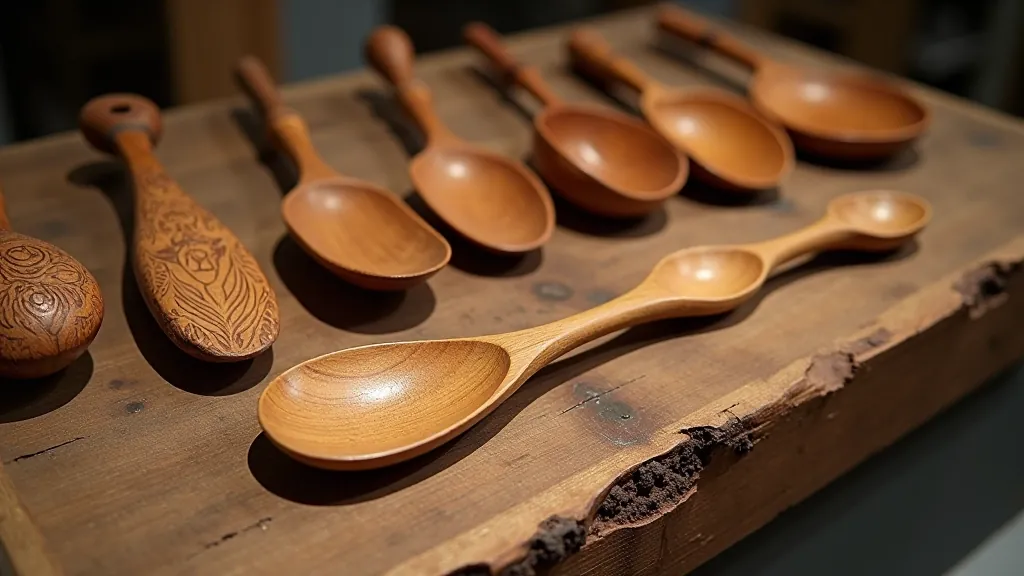
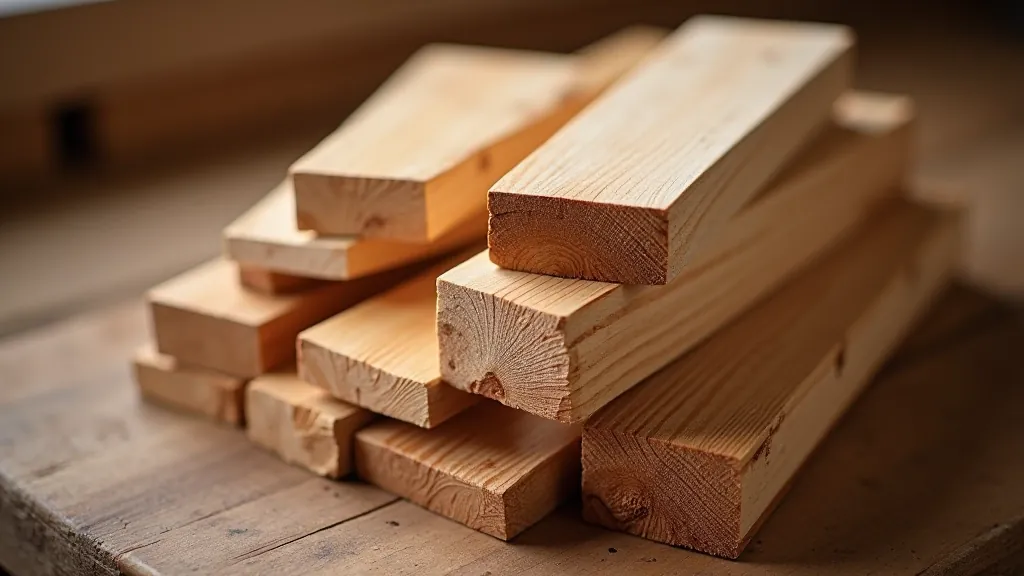
Not all wood works equally for koka grebšana. Baltic birch is the traditional choice — and there's good reason. It's fine-grained, relatively forgiving when carving, and takes incised lines beautifully. The grain doesn't tear as easily as softer woods. Oak is also excellent, slightly harder and requiring sharper tools, but creating cleaner edges on your carved lines.
You'll want wood that's been milled recently — within three to six months ideally. Freshly milled wood has the right moisture content. It's firm enough to carve without shattering, but still slightly pliable enough that your knife glides smoothly. Completely dry wood becomes brittle. Completely green (freshly felled) wood won't hold sharp lines.
Grain direction matters tremendously. You want to carve with the grain when possible, not against it. That means understanding your wood piece before you start. Spend time examining the grain pattern. Plan your pattern so you're mostly working in one consistent direction. It's not always possible, but it's worth the planning time. You'll get cleaner cuts and faster work.
If you're interested in learning koka grebšana, start simple. Don't begin with a full-sized decorated spoon. Start with a small piece of birch about 10-15cm long and 3-4cm wide. Practice creating single pattern lines first. Get comfortable with the tool angle. Feel how pressure affects depth. Spend a full session just making parallel lines.
Create ten parallel lines, roughly 5mm apart, all the same depth. This teaches consistency.
Once you're comfortable with lines, create three to five simple diamonds. Four lines meeting at points. Focus on consistent angles and spacing.
Create a small pattern band combining lines and diamonds. See how different elements work together visually.
Once you have basic control, move to actual spoons or utensils. Real work teaches you what freehand patterns demand.
Your first pieces won't be gallery-quality. That's expected. You're building muscle memory and understanding how tools and wood interact. After 20-30 hours of practice, you'll notice significant improvement. After 100 hours, you'll have real competence. The tradition took centuries to develop — give yourself grace to learn.
This guide provides historical and technical information about traditional Latvian koka grebšana for educational purposes. Techniques and symbolism described reflect documented folk tradition and contemporary practice. Individual results vary based on skill level, wood quality, and tool condition. Safety precautions are essential when working with sharp carving tools — proper training and protective equipment are recommended. The symbolic meanings attributed to patterns represent cultural tradition, not proven spiritual properties.
Koka grebšana isn't ancient history. It's alive. Contemporary carvers throughout Latvia continue this tradition, teaching apprentices, experimenting with new designs while respecting the foundational patterns. Museums preserve examples, but living practitioners are what keeps the tradition vital.
When you understand the patterns and their meanings, you're connecting to something deep. You're participating in cultural memory. Whether you carve a simple practice piece or pursue this as serious craft, you're engaging with a tradition that mattered to your ancestors and matters to contemporary artisans today.
Start simple. Practice with patience. Let the patterns teach you their logic. That's how the tradition survives — one carver, one piece, one moment of focused attention at a time.