Why Material Quality Matters
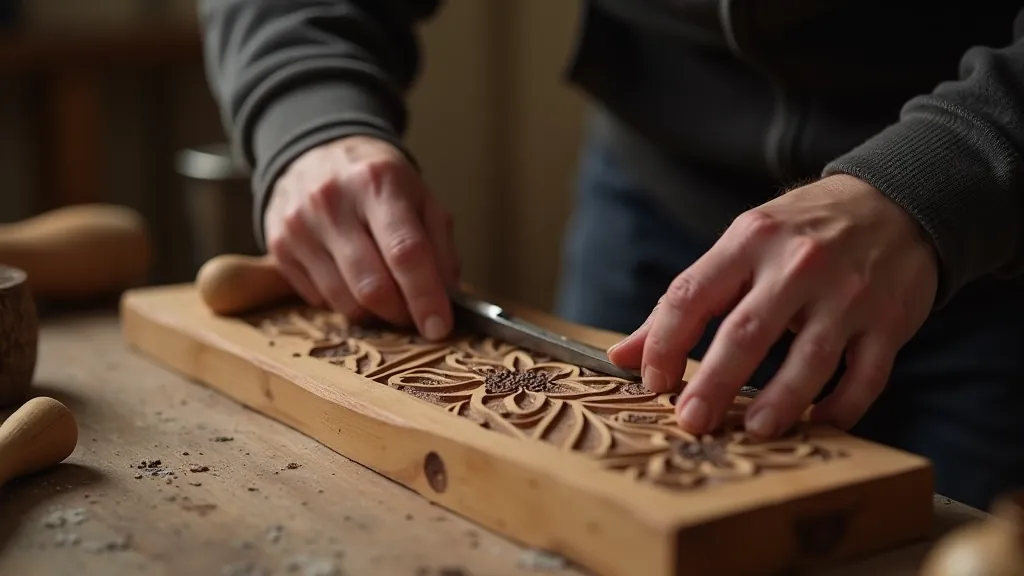
Finding the right wood is the foundation of every carving project. It's not just about grabbing any piece of timber — the grain pattern, moisture content, and wood species directly impact how your finished piece will look and last.
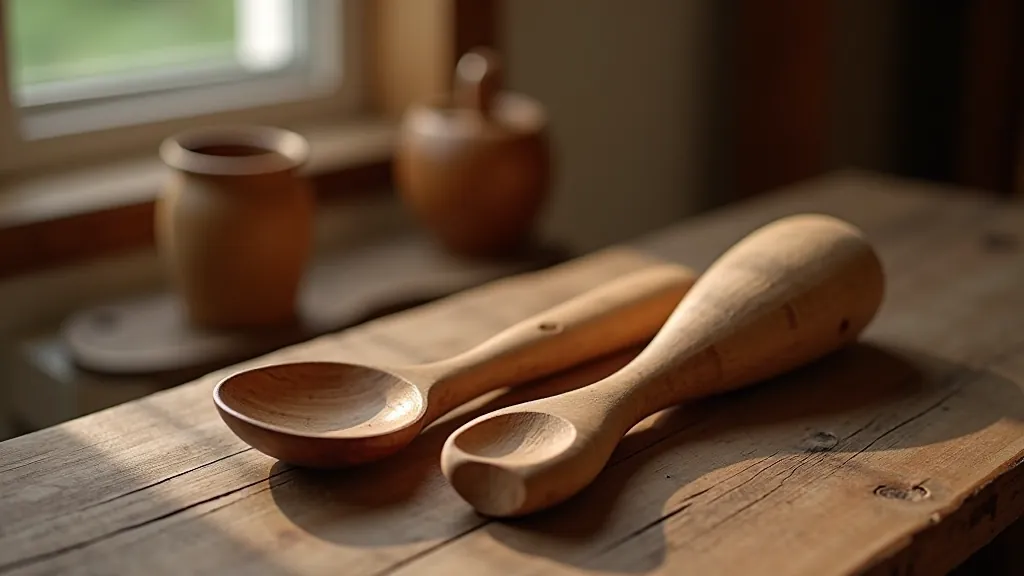
Baltic birch and oak are traditional choices for Latvian wood carving. They've got characteristics that work well for detailed patterns and functional pieces. But sourcing quality material locally means understanding what to look for and knowing which suppliers actually care about their stock.

Understanding Wood Selection
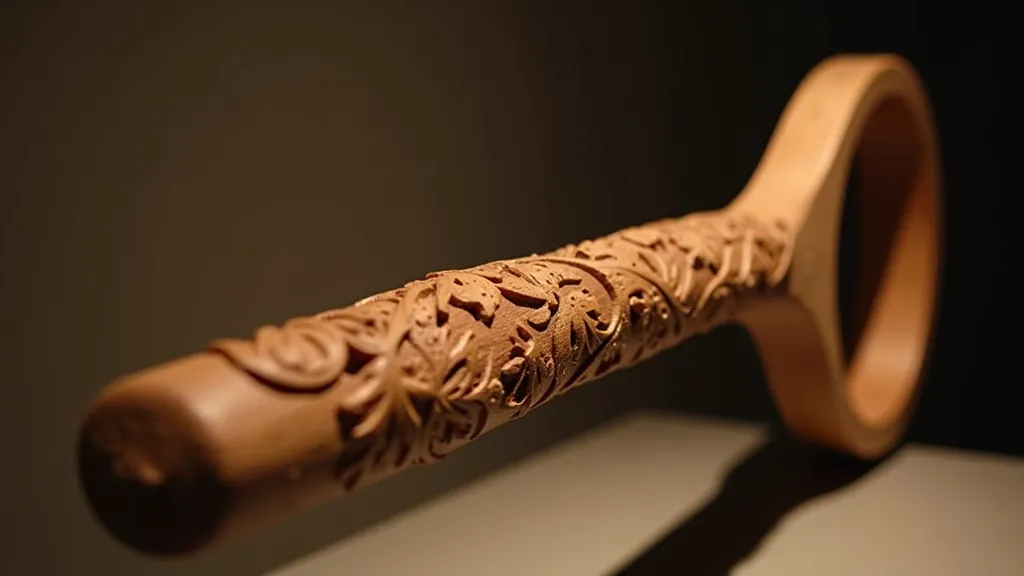
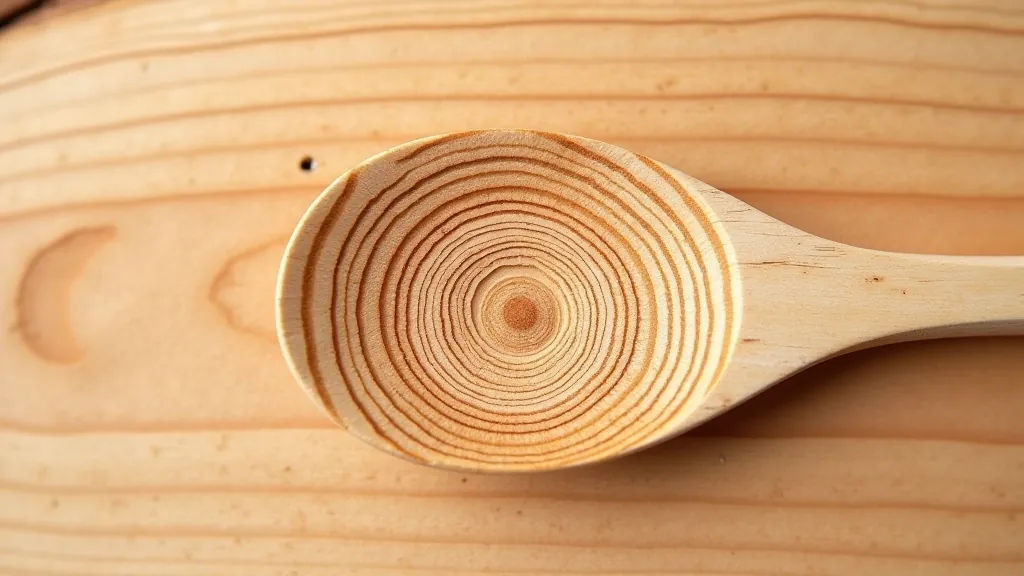
Before you visit any supplier, you'll want to know what you're looking at. Birch is tight-grained and light-colored — it carves cleanly and takes detail well. Oak's more open grain and darker tone make it ideal for pieces where you want grain character to show.
Moisture content is critical. Wood that's too wet won't hold detail work properly. Wood that's too dry will crack as it adjusts to seasonal humidity changes. You're aiming for around 12-15% moisture content for carving stock — that's the "conditioned" level for indoor environments.
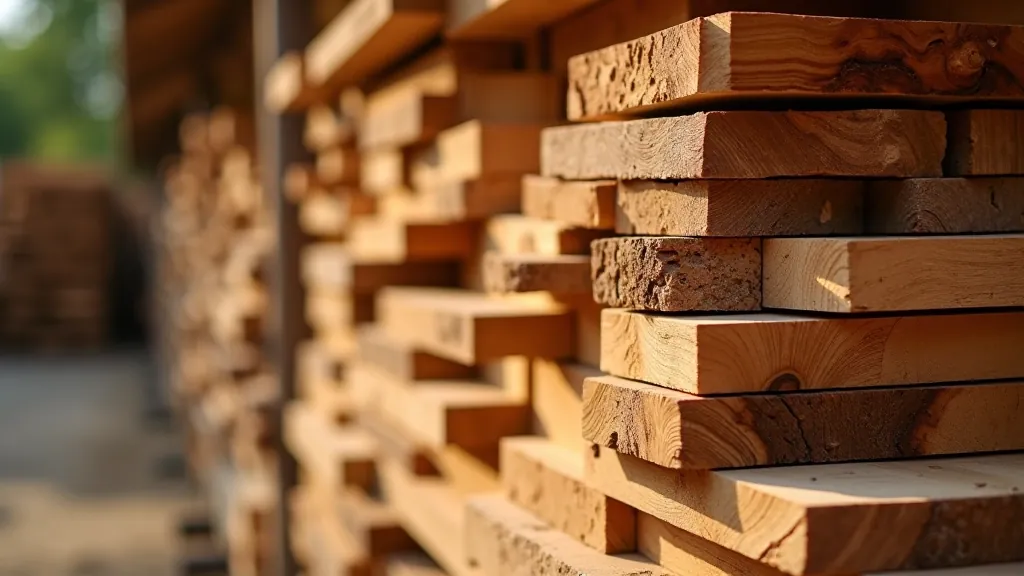
- Check for consistent grain without major knots in your carving area
- Look for even color — discoloration might mean moisture damage
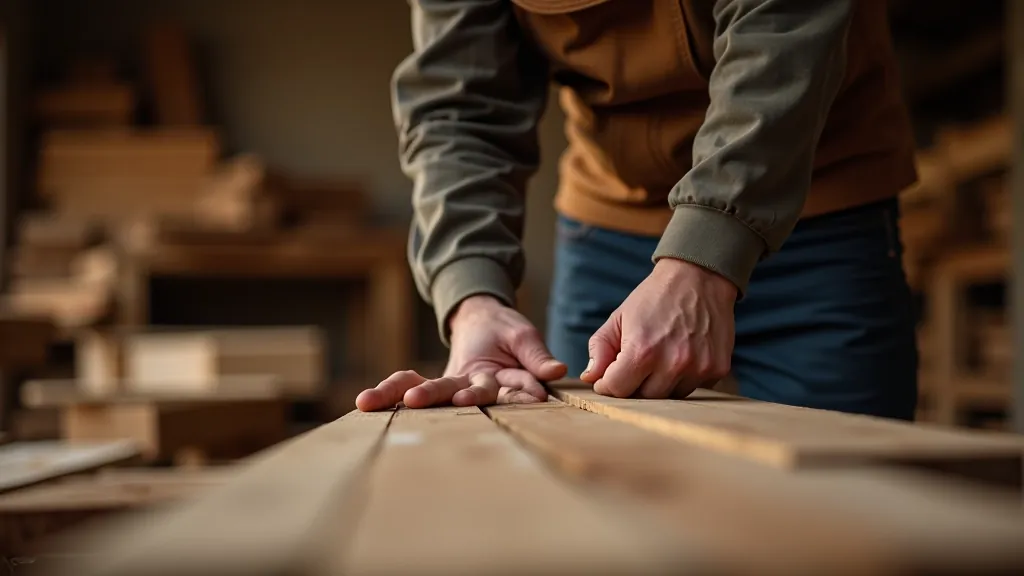
- Feel the wood — it shouldn't be spongy or rock-hard
- Ask about storage conditions and how long the supplier's been stocking that batch
Finding Local Suppliers
You don't need to source from massive industrial operations. In fact, smaller regional suppliers often have better knowledge of their inventory and more flexibility on custom dimensions. They'll tell you exactly where their wood came from and how it's been stored.
Start with local woodworking clubs and carving groups — people working in your area already know the good suppliers. They've got relationships, they know who's reliable, and they'll be honest about quality issues. Online forums dedicated to Latvian crafts can connect you with suppliers who specialize in traditional carving wood.
When you contact a supplier, ask about their sourcing practices. Do they work with local foresters? How's the wood dried — kiln or air? Can you visit and select specific pieces? These questions separate suppliers who understand carving from those just selling commodity timber.
This guide provides educational information about sourcing wood materials for traditional carving. Actual material selection should account for your specific project requirements, local availability, and personal experience. When in doubt, consult with experienced carvers in your region who understand local wood characteristics and supplier reliability.

Timing Your Sourcing
Spring and early summer are peak seasons for timber deliveries. That's when suppliers get fresh stock from winter logging operations. You'll find better selection and fresher wood during these months. But you'll also pay a bit more and face more competition for the good pieces.
Late fall through winter? Suppliers have less inventory and might offer better deals on remaining stock. You've got fewer choices, but if you know what you want, you might negotiate better pricing. Plus, wood purchased in winter has been properly seasoned through the dry indoor storage season.
Plan your major projects with this in mind. If you're carving something substantial, start sourcing in spring so you've got time to select the best pieces and let them acclimate to your workshop environment before you begin carving.
Building Supplier Relationships
Your best suppliers become partners. When you work with someone regularly, they start setting aside pieces they think you'll like. They give you advance notice of new inventory. They'll be honest when something isn't up to standard instead of pushing it on you.
This doesn't mean paying premium prices. It means being respectful of their time, paying on time, and giving them repeat business. A supplier who knows you're serious about carving will take you seriously too. They might offer slight discounts for regular customers, or let you visit their yard to hand-pick pieces rather than taking whatever gets boxed up.
Don't be shy about asking questions. Good suppliers want you to succeed because satisfied customers come back. They'll explain why a particular batch of oak is exceptional, or why the birch this season has unusual grain patterns. Their knowledge is incredibly valuable.
Getting Started
Quality materials don't happen by accident. They happen because you know what to look for and you've found suppliers who care about their stock. Start by asking around in local carving communities. Visit a few suppliers. Ask questions. Feel the wood. You'll quickly get a sense of who understands carving and who's just moving timber.
Remember — the best pieces won't be sitting in the open. They're in someone's workshop already, or they're reserved for carvers who've built relationships with their supplier. So start that relationship now. Visit your local suppliers this spring. Tell them what you're working on. Ask what they recommend. That's how you find material that transforms your carving from good to exceptional.
Good wood doesn't just make carving easier — it makes the work more enjoyable. You'll spend less time fighting the material and more time creating the details that bring your piece to life.