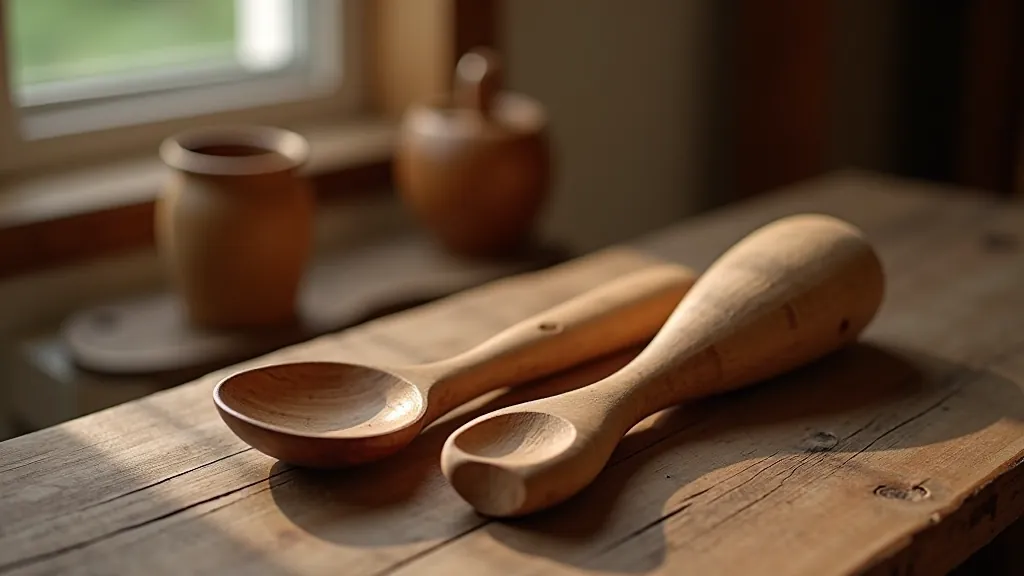
Koka Grebšana Fundamentals — Understanding Traditional Latvian Ornamental Patterns
Learn the core geometric patterns and symbolic meanings behind koka grebšana...
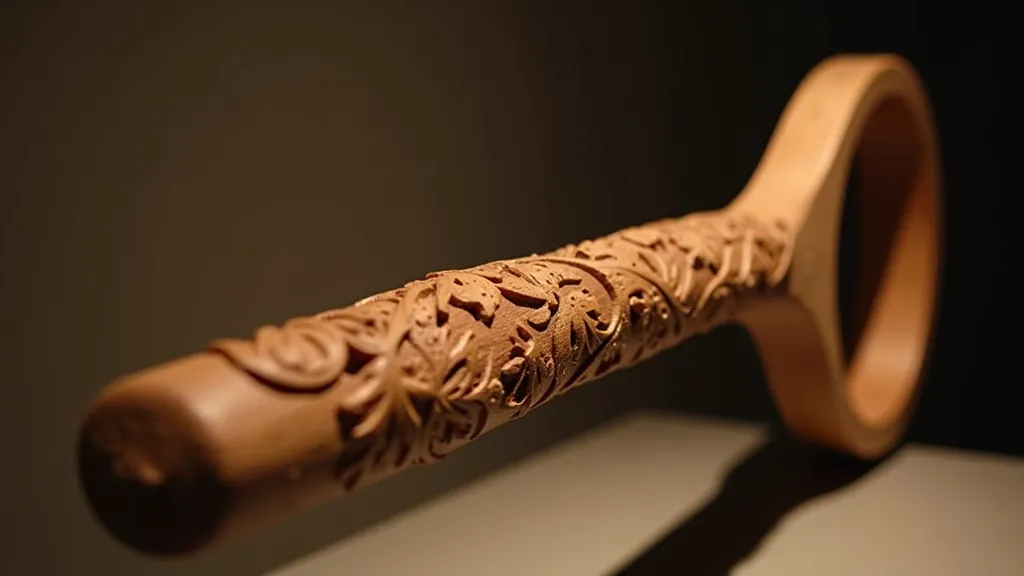
Explore the history and construction of Latvian distaffs used in traditional textile work. Includes pattern variations, wood selection, and decorative carving techniques.
The distaff isn't just a tool — it's a cultural artifact that's been part of Latvian life for centuries. When you're holding a properly carved distaff, you're holding something that connects you to generations of weavers and spinners who've kept textile traditions alive.
A distaff (or rumpis in Latvian) holds the fibers you're spinning. Without it, the process would be nearly impossible. The spindle works alongside it, twisting those fibers into thread. Together, they're the foundation of hand-spinning — a skill that's regaining popularity among craftspeople who value traditional methods and sustainable practices.
What makes Latvian distaffs special isn't just their function. The carving that covers them tells stories. Geometric patterns, floral motifs, and symbolic designs aren't random — they're deliberate choices that reflect regional styles and family traditions.
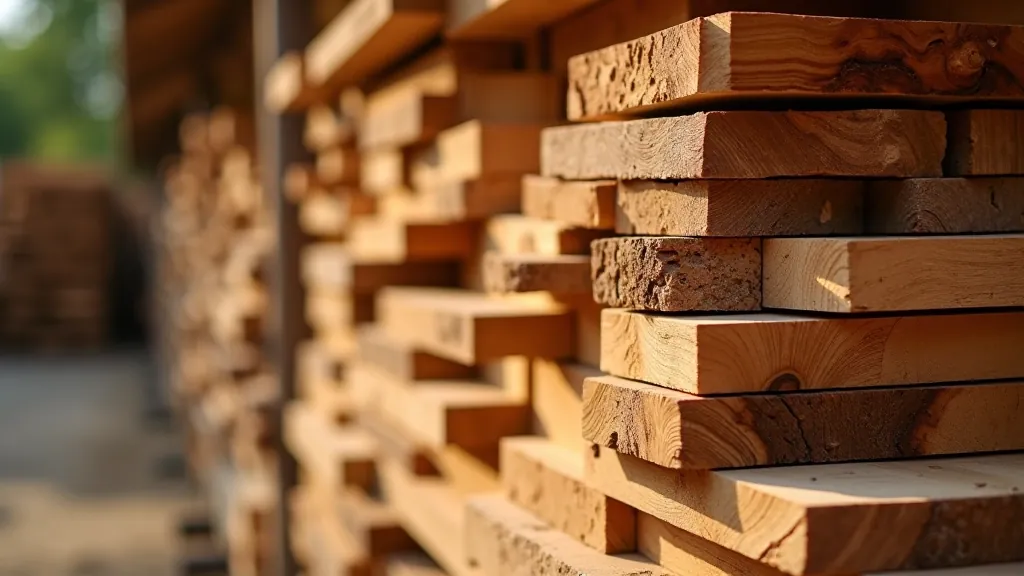
Wood selection makes or breaks your distaff. You're not just looking for any piece of wood — you need something that'll carve cleanly, age well, and handle the constant wear of holding fibers.
Birch is the traditional choice in Latvia. It's dense enough to hold fine detail in carving, but soft enough that you won't spend weeks fighting with the wood. Baltic birch, specifically, has tight grain structure that produces those crisp lines traditional distaffs are known for.
Oak works too, though it's harder to carve. It's denser than birch, so details take longer to cut, but the finished piece will last longer and develop a beautiful patina over decades of use. Ash is another option — lighter than oak, harder than birch, good middle ground if you want durability without the extra carving time.
Avoid softwoods like pine or spruce. They'll chip and splinter when you're trying to cut fine details. The fibers you're holding will catch on rough spots, and you'll be constantly sanding and refining.

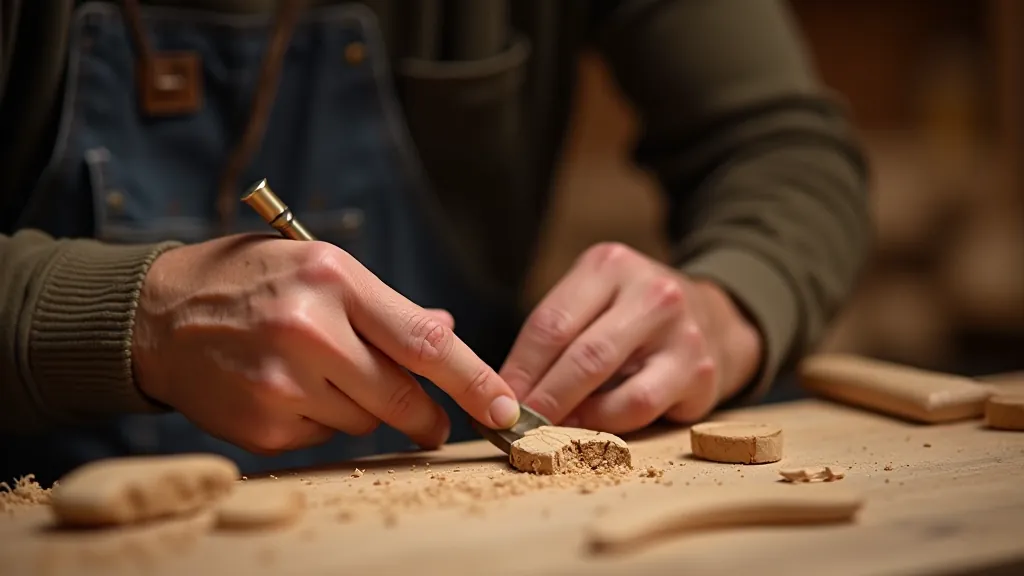
The patterns you carve into your distaff aren't decorative afterthoughts. They're integral to the piece's identity. Different regions of Latvia developed distinct pattern vocabularies — geometric designs in some areas, more flowing floral motifs in others.
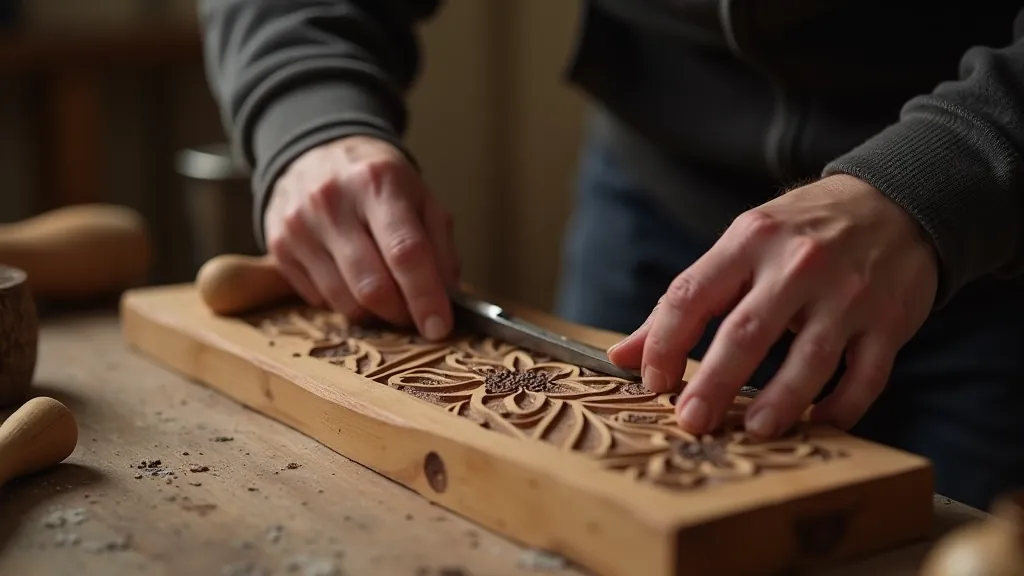
Start with the fundamentals: straight lines, simple triangles, and basic diamond shapes. These teach you how your tools cut through wood grain. A single line carved too deep on the wrong angle can splinter and ruin hours of work. That's why experienced carvers practice basic cuts on scrap wood first.
The most common Latvian distaff patterns use repetition — the same motif appearing 3, 4, or 6 times around the circumference. This creates visual rhythm and makes the carving process more manageable. You're essentially repeating one pattern section rather than creating completely unique designs across the entire surface.
Common regional patterns include:
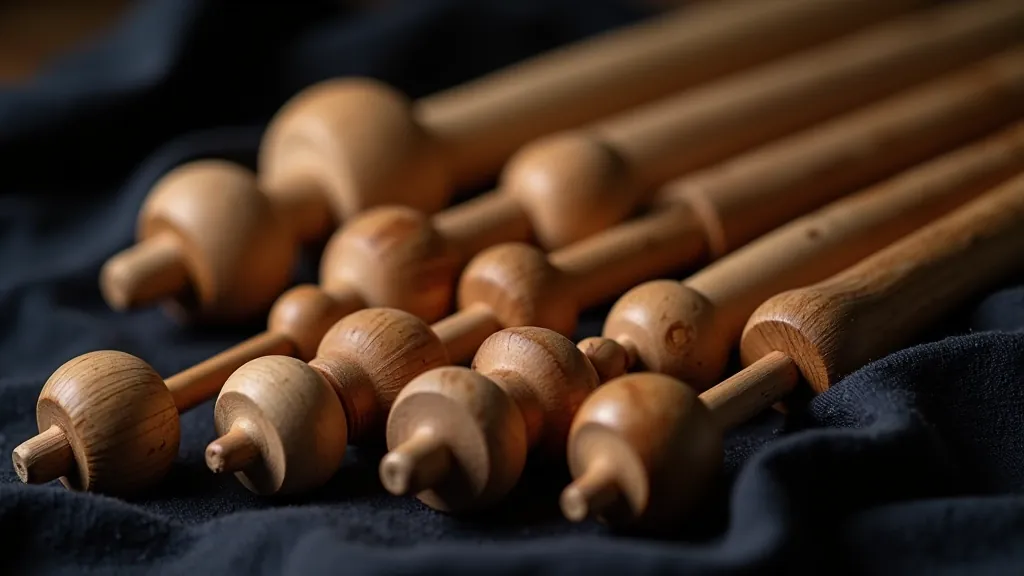
The spindle works with your distaff. While the distaff holds fibers, the spindle twists them into thread. You're looking at a piece that's maybe 8-10 centimeters long, typically with a rounded body and a shaft running through it.
Weight matters enormously. A spindle that's too light won't maintain momentum as you spin. Too heavy and your hand will tire quickly. Traditional Latvian spindles typically weigh 40-60 grams — you want it substantial enough to carry spin but not so heavy that an hour of spinning leaves your fingers sore.
The shaft needs to be straight and smooth. Any wobble or rough spot will create weak spots in your thread. Most traditional spindles are turned on a lathe, creating that smooth cylindrical shaft. If you're carving one by hand, expect extra time getting the shaft perfectly balanced.
The whorl — that's the weighted disc that creates the flywheel effect — is what actually makes the spinning work. It can be made from the same wood as the shaft or from a heavier material like stone or ceramic. Placement matters: it's typically about a third of the way down from the top, creating the right balance for consistent rotation.
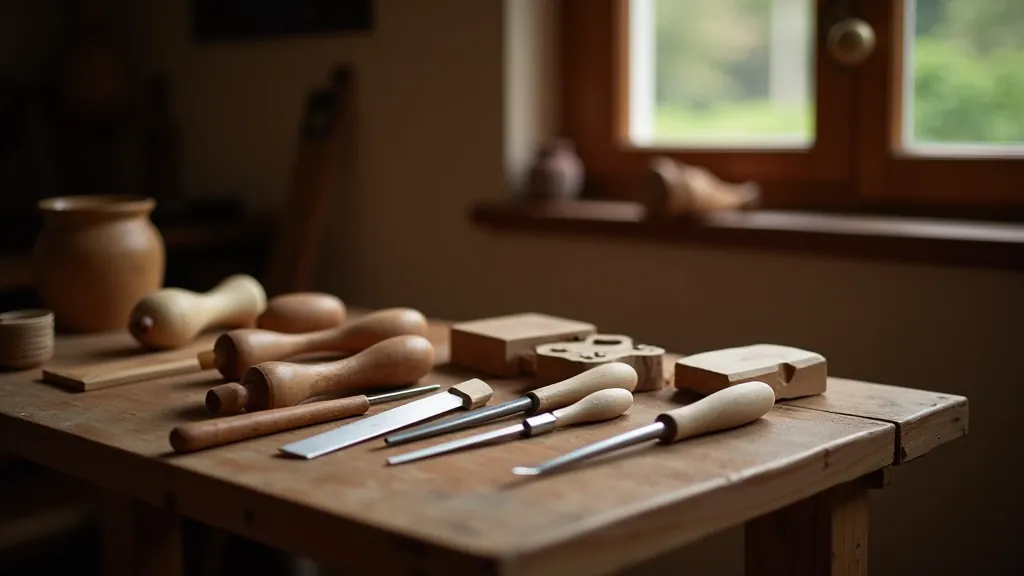
You'll need specific tools. A set of carving gouges in different widths — maybe 6 to 10 different sizes — covers most pattern work. Start with gouge sizes 2mm, 4mm, 6mm, and 10mm. A flat chisel helps with straight lines and background clearing. Keep them sharp. Dull tools require more pressure, and more pressure means less control.
Work with the grain whenever possible. Carving against the grain produces splinters and torn fibers. This matters more on softer woods like birch. With oak you'll have more flexibility, but grain direction still affects how cleanly your lines come out.
Don't rush the finishing. After carving, you'll sand the piece, but don't use sandpaper on carved details too aggressively. You'll round off the sharp edges that make the pattern crisp. Light hand sanding with 220-grit is usually enough. Some carvers skip machine sanding entirely and hand-sand everything with fine-grit paper.
Making a traditional Latvian distaff and spindle isn't quick work. You're spending weeks on something that a factory could produce in hours. But that's the whole point. When you hold a handcarved distaff with patterns that took days to create, you're holding something with intention and history embedded in it.
These tools connect us to textile traditions that shaped Latvian culture. They're functional objects, yes, but they're also art. Every carver develops their own style — slight variations in how they cut lines, their pattern choices, their finishing details. That individuality is what makes handmade pieces irreplaceable.
If you're considering making your own distaff, start with sketches. Research regional patterns. Source good wood from suppliers who understand what you need. Take your time with the carving. The finished piece will reward your patience with generations of spinning potential ahead of it.
Educational Note: This article provides information about traditional Latvian distaff and spindle craftsmanship techniques and materials. Individual results vary based on experience level, wood quality, tools used, and regional variations in traditional methods. The techniques described represent documented practices from Latvian textile craft traditions and should be adapted to your specific circumstances and skill level. Always follow safe woodcarving practices and tool safety guidelines when working with hand tools.